Retinol: The Pros and Cons (Benefits, Side Effects & Who Should Use It)
Retinol pros and cons: it is the most-proven anti-aging ingredient, but it has real downsides. Here are the benefits, the side effects, and who should skip it.
By SkinInfo Hub Editorial
Retinol is the most talked-about anti-aging ingredient in skincare — and for good reason. But before you add it to your routine, it helps to weigh the retinol pros and cons honestly. Here are the real benefits, the side effects nobody warns you about, and who should think twice.
What retinol is
Retinol is a vitamin A derivative (a retinoid). It works by binding receptors in your skin cells to speed up cell turnover, unclog pores, and stimulate collagen production. It is one of the few anti-aging actives with decades of clinical evidence behind it, as summarized in this clinician's guide to topical retinoids.
The pros
- Proven anti-aging. It softens fine lines and wrinkles and boosts collagen over time.
- Clears acne. By normalizing how pores shed skin cells, it treats and prevents breakouts.
- Fades dark spots. Faster turnover helps fade post-acne marks and hyperpigmentation.
- Smooths texture and tone, with benefits that compound the longer you use it — research on cosmetic retinoids confirms visible improvement in photoaged skin.
The cons
- Irritation. Redness, dryness, flaking, and stinging are common, especially early on.
- The "purge." Some people break out more in the first few weeks as turnover speeds up.
- Sun sensitivity. Retinol makes skin more vulnerable to UV, so daily SPF is mandatory.
- Not pregnancy-safe. Retinoids are avoided during pregnancy and nursing.
- Slow and high-maintenance. It takes 8–12 weeks (up to 6 months for anti-aging) and careful ramping up.
Who should use it — and who should skip it
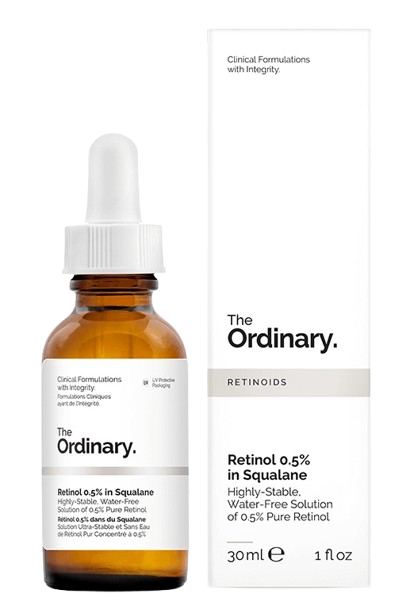
Good fit: resilient skin, aging concerns, or acne. Start with a buffered formula like the CeraVe Resurfacing Retinol Serum or the oil-based The Ordinary Retinol 0.5% in Squalane.
Think twice: very sensitive or reactive skin, or if you are pregnant. A gentler, evidence-backed alternative is bakuchiol — see our full bakuchiol vs retinol breakdown, or try the The INKEY List Bakuchiol.
How to minimize the downsides
- Start two nights a week and build up slowly.
- Apply to dry skin, and "sandwich" it with moisturizer if you are sensitive.
- Never skip morning SPF.
- Do not layer it with strong acids on the same night — see the skincare guide for the full conflict list.
The bottom line
Retinol's pros — proven anti-aging, acne control, and brighter tone — outweigh its cons for most people willing to introduce it slowly and commit to daily sunscreen. If your skin cannot tolerate it, bakuchiol is a genuinely research-backed alternative worth trying.