Bakuchiol vs Retinol: What the Research Actually Says
Bakuchiol vs retinol: a randomized trial compared them head-to-head. Here is what it found, how they differ, and which one is right for your skin.
By SkinInfo Hub Editorial
If you have been comparing bakuchiol vs retinol, you have almost certainly seen bakuchiol marketed as a "gentle, plant-based retinol." But is it actually as effective, or just easier to sell? The short answer: a proper clinical trial put them head-to-head, and the results are more interesting than the marketing. Here is what the research really shows.
What retinol does
Retinol is a vitamin A derivative and one of the most-studied anti-aging actives available. It binds retinoic-acid receptors in skin cells to speed up cell turnover, normalize how the pores shed dead cells, and stimulate fibroblasts to build collagen. That is why retinoids treat acne, soften fine lines, and fade dark spots. The catch: they can sting, flake, trigger "purging," and make skin more sun-sensitive, so they take weeks of careful ramping up.
What bakuchiol is
Bakuchiol is a compound from the seeds of the babchi plant (Psoralea corylifolia). It is not chemically related to vitamin A, but it behaves like a functional analog: it switches on several of the same retinoid-like gene pathways and adds antioxidant activity, without retinol's instability in light or its irritation profile. That combination is why it gets called a "retinol alternative."
Bakuchiol vs retinol: the head-to-head trial
The key study is a 2019 randomized, double-blind trial. Participants used either 0.5% bakuchiol twice daily or 0.5% retinol once daily for 12 weeks. Both groups saw a similar, statistically significant reduction in wrinkle surface area and hyperpigmentation. The difference was tolerability: the retinol group reported significantly more scaling and stinging. In other words, comparable results — with bakuchiol being gentler.
The key differences at a glance
- Efficacy: Comparable for wrinkles and pigmentation in the trial; retinol still has a deeper, larger evidence base overall, especially for acne.
- Irritation: Bakuchiol is markedly gentler — less redness, flaking, and stinging.
- Sun sensitivity: Retinol increases photosensitivity; bakuchiol is photostable and does not.
- Pregnancy: Retinoids are avoided during pregnancy and nursing; bakuchiol is generally considered a safer option (confirm with your doctor).
- Ramp-up: Retinol needs slow introduction; bakuchiol can usually be used twice daily from the start.
Which one should you choose?
Choose retinol if you have resilient skin, want the most-proven option, or are also treating active acne. Good starting points are a buffered, encapsulated formula like the CeraVe Resurfacing Retinol Serum or a squalane-based one like The Ordinary Retinol 0.5% in Squalane.
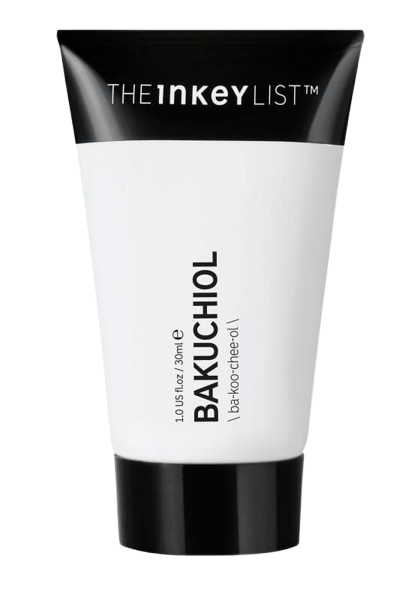
Choose bakuchiol if your skin is sensitive or reactive, you are pregnant or nursing, or retinol has burned you before. A gentle option is the The INKEY List Bakuchiol moisturizer, or the two-ingredient BYBI Bakuchiol Booster you can mix into your moisturizer.
How to use them
Apply either at night after cleansing, then moisturizer. With retinol, start two nights a week and build up, and always wear SPF the next morning — this is non-negotiable. Bakuchiol is lower-maintenance but daily sunscreen still matters. Avoid stacking either with strong acids on the same night to limit irritation; see our skincare guide for the full conflict rundown.
The bottom line
Bakuchiol is not hype — it is a genuinely evidence-backed, gentler route to retinol-like results, ideal for sensitive or pregnant users. Retinol remains the gold standard when your skin can handle it and you want the deepest track record. For most people the honest answer to "bakuchiol vs retinol" is: pick the one your skin will actually tolerate and use consistently, because consistency is what delivers the results.