Mineral vs Chemical Sunscreen: Which Is Better for Your Skin?
Mineral vs chemical sunscreen: how each works, the pros and cons, and which is better for sensitive, acne-prone, or deeper skin. A clear, cited guide.
By SkinInfo Hub Editorial
When it comes to mineral vs chemical sunscreen, both protect your skin from UV damage — but they work in completely different ways, and one may suit your skin far better than the other. Here is how they differ, the honest pros and cons of each, and how to choose the right one for you.
How mineral sunscreen works
Mineral sunscreens (also called physical sunscreens) use the inorganic filters zinc oxide and/or titanium dioxide. These sit on the surface of the skin and both scatter and absorb UV radiation. Zinc oxide in particular gives broad-spectrum protection across UVA and UVB. Because these filters are chemically inert, they are less likely to irritate — which is why dermatologists often recommend them for sensitive skin, per DermNet's overview of sunscreen agents.
How chemical sunscreen works
Chemical sunscreens use organic (carbon-based) filters such as avobenzone, octinoxate, octocrylene, and homosalate. Instead of sitting on top of the skin, they absorb UV rays and convert them into a small amount of heat that then dissipates. Because the filters are lightweight and largely invisible, chemical sunscreens tend to feel more cosmetically elegant and leave no white cast.
Mineral vs chemical: the pros and cons
Mineral sunscreen
- Pros: gentle and low-irritation (great for sensitive, rosacea-prone, or acne-prone skin); works immediately on application; very photostable.
- Cons: can leave a white cast, especially on deeper skin tones; the texture is often thicker and can pill under makeup.
Chemical sunscreen
- Pros: lightweight, invisible, and comfortable for daily wear and layering under makeup; no white cast.
- Cons: needs about 15–20 minutes to become active before sun exposure; can sting the eyes or irritate very sensitive skin; some filters (such as avobenzone) break down in light unless stabilized.
Which should you choose?
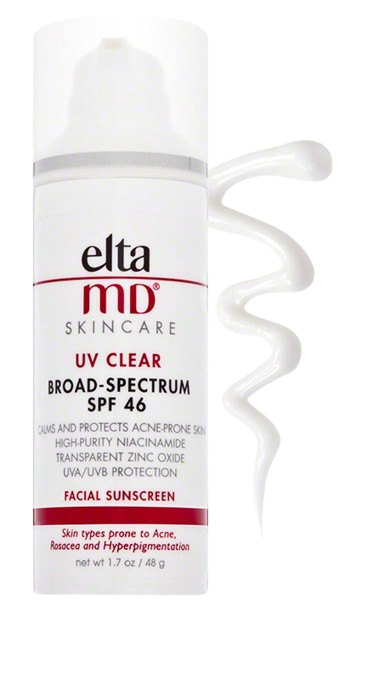
Choose mineral if your skin is sensitive, reactive, acne-prone, or you simply want the gentlest option. Good all-mineral picks are the CeraVe Hydrating Mineral Sunscreen SPF 30 and the La Roche-Posay Anthelios Mineral SPF 50. For breakout-prone skin, the zinc-based EltaMD UV Clear SPF 46 adds niacinamide to calm the skin.
Choose chemical if you want a weightless, no-cast finish for everyday wear — for example the The INKEY List Polyglutamic Acid Dewy Sunscreen SPF 30. And if a white cast is your main issue, a tinted mineral sunscreen uses iron oxides to blend into deeper skin tones while adding protection against visible light — helpful for anyone managing hyperpigmentation.
Is chemical sunscreen safe?
This is the most common worry, so let us be clear: the sunscreen filters approved for use are considered safe and effective by dermatology bodies. Regulators continue to study how much of certain chemical filters is absorbed, but there is no evidence that approved sunscreens harm human health — and the American Academy of Dermatology continues to recommend daily use. The proven risk runs the other way: UV exposure without protection causes skin cancer and the majority of visible skin aging. If chemical filters concern you, simply choose a mineral formula — you lose nothing.
The bottom line
In the mineral vs chemical sunscreen debate, there is no universal winner. Mineral is the gentlest choice and best for sensitive or acne-prone skin; chemical is the lightest and best for daily, invisible wear. What matters far more than the type is that you apply enough, every day, and reapply — because, as we cover in why sunscreen is the only proven anti-aging step, the best sunscreen is simply the one you will actually wear. For where it fits in your routine, see our skincare guide.