Sunscreen Is the Only Anti-Aging Step That's Actually Proven
Does sunscreen prevent aging? A 4.5-year trial says yes — it is the single most proven anti-aging step. Here is the evidence and how to use it right.
By SkinInfo Hub Editorial
Serums and retinoids get all the attention, but if you asked a dermatologist for the one product with the strongest anti-aging evidence, the answer is boring and unanimous: daily sunscreen. Does sunscreen really prevent aging? Unlike most claims in skincare, this one is backed by a controlled trial. Here is the evidence — and how to actually use it.
The evidence: a 4.5-year trial
In a randomized controlled trial that ran for four and a half years, adults who used broad-spectrum sunscreen daily showed 24% less skin aging than those who used it at their own discretion. That is a real, measured difference in visible aging from one habit — not a marketing promise.
Why UV ages your skin
Ultraviolet radiation drives the majority of visible aging: fine lines, wrinkles, uneven tone, dark spots, and loss of firmness. UV generates free radicals that break down collagen and elastin and trigger pigment production. This is called photoaging, and it accumulates every single day of unprotected exposure — which is why sunscreen is prevention, not repair.
How to actually use sunscreen
- Every day, rain or shine. Up to 80% of UV penetrates clouds, so overcast days still cause photodamage.
- Use enough. Most people apply far too little — aim for about two finger-lengths for the face and neck.
- Reapply. Every two hours of sun exposure, and after sweating or swimming.
- SPF 30 or higher, broad-spectrum (protects against both UVA and UVB).
Mineral vs chemical: which is better?
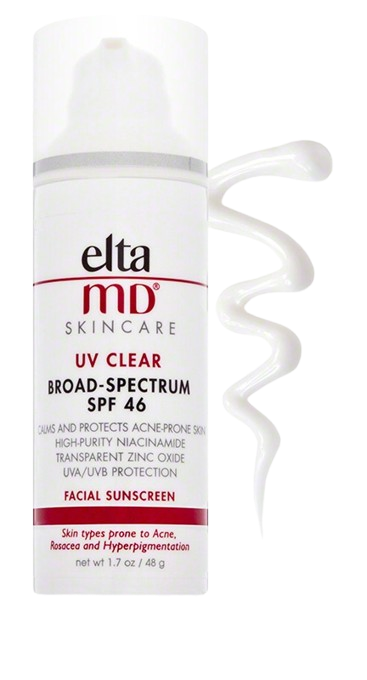
Both work. Mineral filters (zinc oxide, titanium dioxide) sit on the surface and reflect UV, and suit sensitive, reactive skin — options like the CeraVe Hydrating Mineral SPF 30 or La Roche-Posay Anthelios Mineral SPF 50. Modern chemical filters absorb UV and tend to feel lighter — a dermatologist favorite is EltaMD UV Clear SPF 46, which adds niacinamide for breakout-prone skin. The best sunscreen is simply the one you will wear every day.
Where sunscreen fits in your routine
Sunscreen is always the last step of your morning routine, applied after moisturizer. Pair it with a morning antioxidant serum (vitamin C) for compounded protection, and save your retinoids and acids for the evening. See our full AM/PM breakdown in the skincare guide.
The bottom line
If you do one thing for your skin, make it daily broad-spectrum SPF. It is the most cost-effective, best-evidenced anti-aging step there is — and it protects the results of every other product you use. The fanciest serum in the world cannot out-perform unprotected sun exposure.