Hyaluronic Acid: The Pros and Cons (Including the One Everyone Misses)
Hyaluronic acid pros and cons: it is a hydration hero, but there is a catch that can actually dry your skin out. Here is how to use it the right way.
By SkinInfo Hub Editorial
Hyaluronic acid is in almost every "hydrating" serum on the shelf — but the hyaluronic acid pros and cons are more nuanced than the marketing suggests. There is one downside most people never hear about that can actually leave your skin drier. Here is the honest breakdown.
What hyaluronic acid is
Hyaluronic acid (often listed as sodium hyaluronate) is a humectant — a molecule that binds and holds large amounts of water in the skin. Different molecular weights work at different depths, as explained in this review of hyaluronic acid in dermato-cosmetics.
The pros
- Instant hydration and plumping. It draws water into the skin, softening the look of fine lines.
- Suits almost everyone. Lightweight, oil-free, and non-comedogenic — safe for oily, dry, and sensitive skin.
- Pairs with anything. It layers happily under or over other actives with no conflicts.
- Supports the barrier when sealed with a moisturizer.
The cons (including the one everyone misses)
- It can pull water the wrong way. In dry air, a humectant can draw moisture out of the deeper skin instead of from the environment — leaving skin more dehydrated. Applying it to bone-dry skin and not sealing it is a genuine skincare mistake.
- It is not a moisturizer. HA holds water but does not lock it in; it needs an occlusive on top.
- The effect is temporary without proper layering.
How to use hyaluronic acid the right way
- Apply it to damp skin, not dry.
- Always seal it with a moisturizer to lock the water in — a ceramide cream like the CeraVe Moisturizing Cream works well.
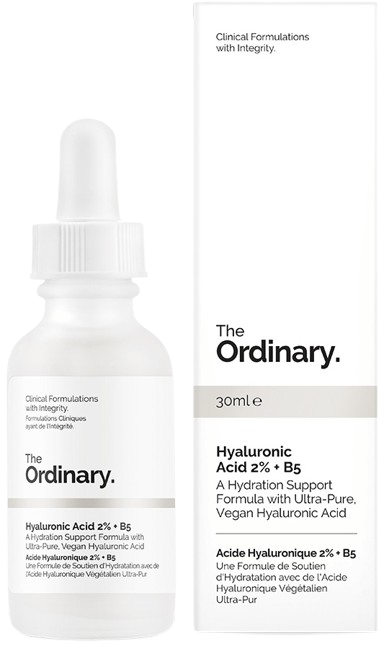
- Choose a multi-weight formula with B5, like The Ordinary Hyaluronic Acid 2% + B5, or a barrier moisturizer that already includes it such as The Ordinary Natural Moisturizing Factors + HA.
The bottom line
Hyaluronic acid is a real hydration hero — as long as you apply it to damp skin and seal it. Used alone on dry skin in a dry climate, it can backfire. Treat it as one step in a routine, not a standalone moisturizer, and it delivers.